Nutrition plays a key role in cancer prevention.
The Diet-Cancer Evidence Base
diets high in whole foods, fiber, and plant diversity consistently reduce cancer risk, while diets rich in ultra-processed foods, red meat, added sugars, and alcohol increase it.
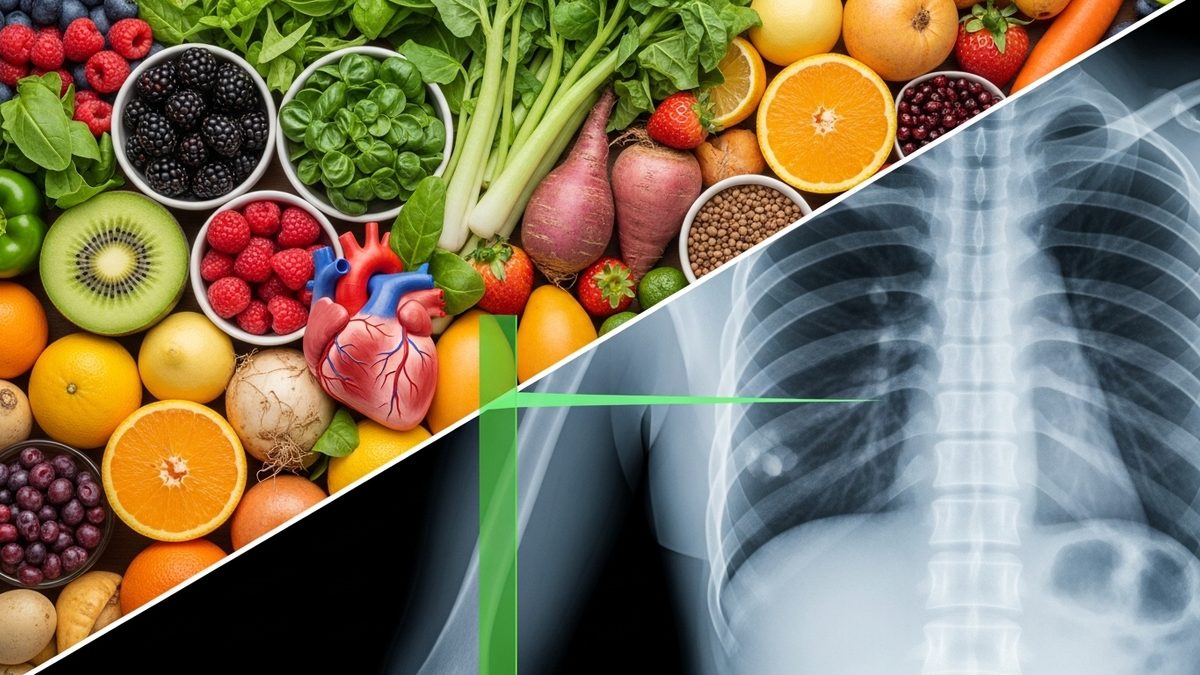
Fiber and the Gut Microbiome
Dietary fiber is fermented by gut bacteria into short-chain fatty acids like butyrate. Butyrate has potent anti-cancer properties in colon cells. Higher fiber intake is consistently associated with 15-25% lower colorectal cancer risk.
Cruciferous Vegetables: Beyond the Headline
Broccoli, Brussels sprouts, cauliflower, and kale contain glucosinolates that are converted into sulforaphane and indole-3-carbinol. These compounds activate the NRF2 pathway, which neutralizing carcinogens.
Ultra-Processed Foods and Systemic Cancer Risk
A 10% increase in ultra-processed food consumption was associated with a 2% increase in overall cancer risk and a 19% increase in ovarian cancer risk.
Medical Disclaimer: The information on this website is for educational purposes only and is not a substitute for professional medical advice, diagnosis, or treatment. Always seek the advice of your doctor or other qualified health provider.