Regular screenings can detect precancerous changes.
Why Routine Screening Changes Everything
Medical screening programs are the most cost-effective cancer intervention known. Colonoscopy doesn't just detect early colon cancer; it actively prevents it by removing pre-malignant polyps before they transform.
The Cervical Cancer Success Story
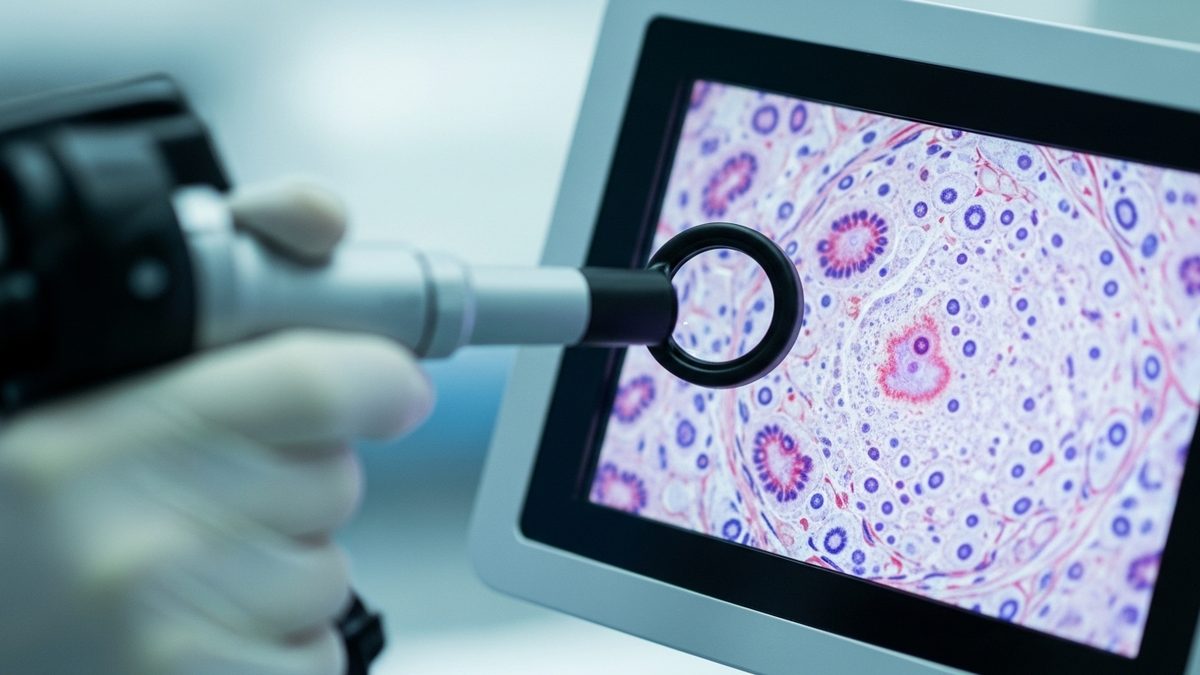
Regular Pap testing has reduced cervical cancer mortality by more than 70% in countries with systematic screening programs. Adding HPV co-testing has further improved detection sensitivity.
Colon Cancer: From Death Sentence to Preventable
Colorectal cancer develops slowly over 10-15 years from benign polyps. This long window is why colonoscopy is so powerful: it identifies and removes precancerous adenomas before malignant transformation.
Who Benefits Most and When to Start
Average-risk adults should begin colorectal screening at 45. Those with a first-degree relative with colorectal cancer should start at 40 or 10 years before the youngest diagnosis in the family.
Medical Disclaimer: The information on this website is for educational purposes only and is not a substitute for professional medical advice, diagnosis, or treatment. Always seek the advice of your doctor or other qualified health provider.