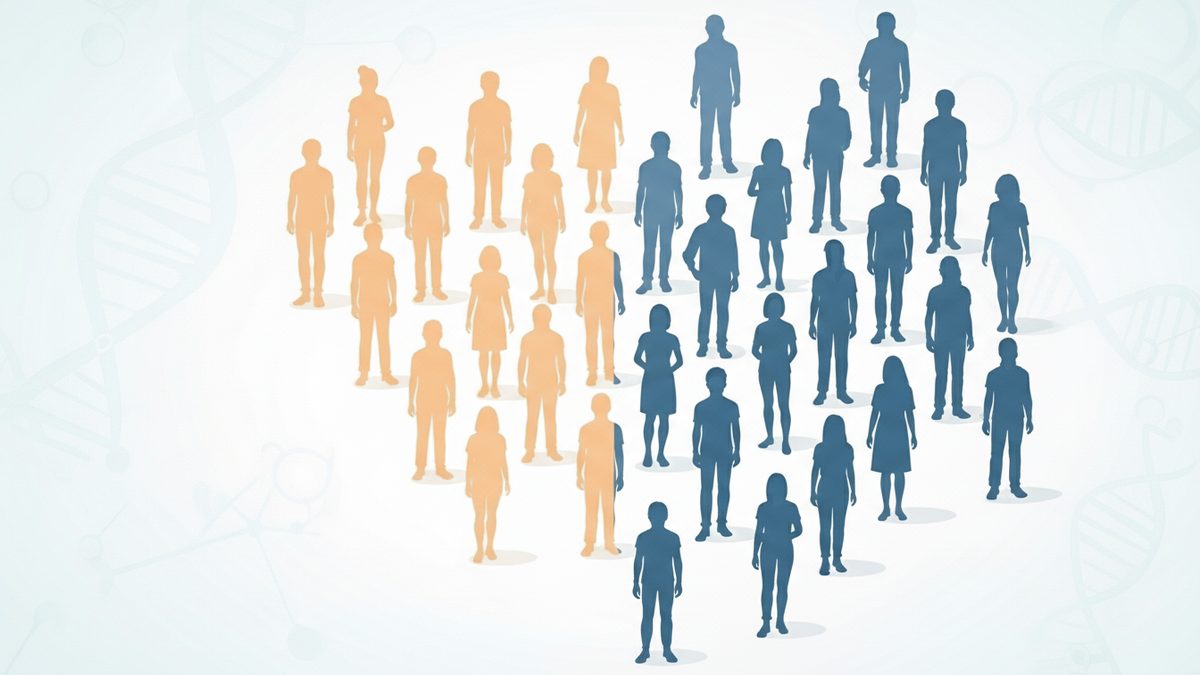
1 in 2 people will develop some form of cancer in their lifetime.
The Global Scale of Cancer
The statistic that 1 in 2 people will develop cancer in their lifetime is often misunderstood. It does not mean cancer is a guaranteed death sentence. Instead, it means that due to our longer lifespans, our bodies have more opportunities for cellular errors to accumulate over decades. Most of these are diagnosed at ages 60+, when treatments are increasingly effective.
Why the Numbers Have Changed
A century ago, infectious diseases killed most people before cancer could develop. Modern public health, vaccines, and antibiotics have dramatically extended life expectancy. The paradox is: the longer we live, the more exposures our cells face. This is why cancer rates appear to rise even as cancer survival rates also dramatically improve.
What 'Developing Cancer' Actually Means
The statistic includes every cancer type, including many highly curable forms like basal cell skin carcinoma (which affects millions and is nearly 100% curable), thyroid cancer (98% survival), and early-stage prostate cancer (95%+ survival). The picture is far more nuanced than the headline suggests.
Your Personal Risk Is Not Fixed
An estimated 30-40% of cancers are directly attributable to modifiable lifestyle factors: tobacco (responsible for ~15 cancer types), excess alcohol, obesity, physical inactivity, and UV overexposure. Addressing these reduces your biological risk significantly below the statistical average of '1 in 2'.
Medical Disclaimer: The information on this website is for educational purposes only and is not a substitute for professional medical advice, diagnosis, or treatment. Always seek the advice of your doctor or other qualified health provider.