The Synergistic Power of Nutrition
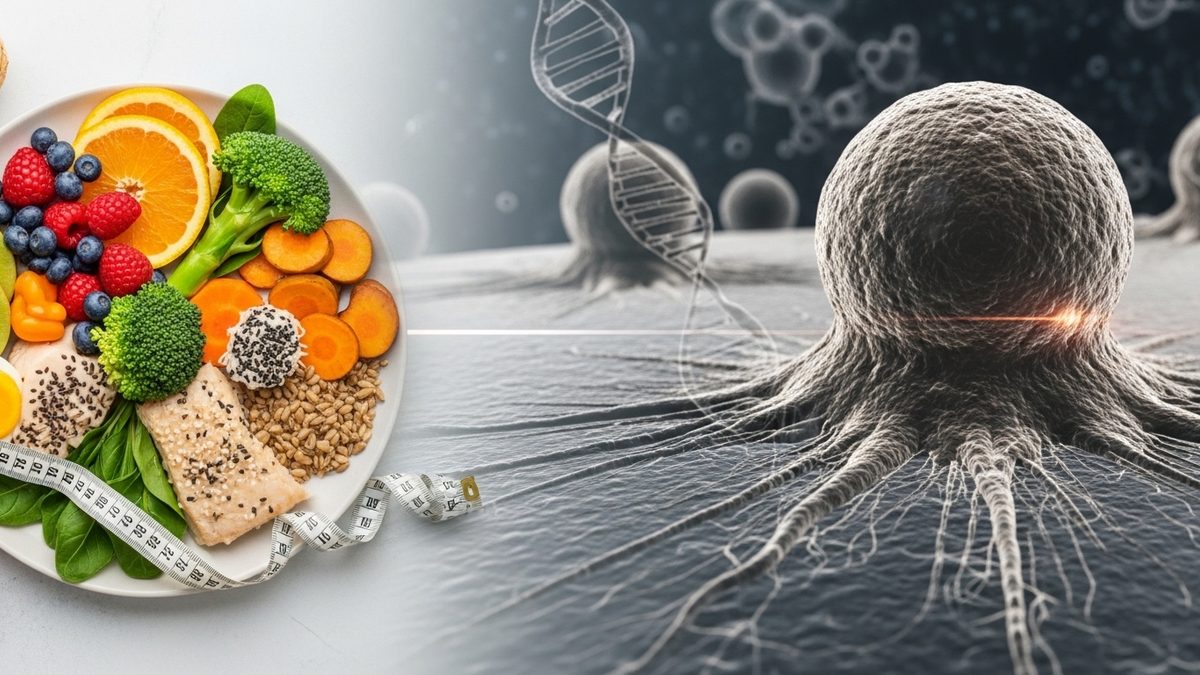
Nutrition is more than just 'fuel'—it is a complex biochemical signaling system that can either promote chronic inflammation or strengthen the body's natural defense mechanisms. While no single 'superfood' can cure cancer, a dietary pattern high in plant-based diversity creates a metabolic environment hostile to tumor development. Scientific evidence consistently shows that what we eat is a primary driver of the long-term cellular health necessary for cancer prevention.
Phytochemicals and Tumor Suppression
Plants contain thousands of bioactive compounds called phytochemicals (such as sulforaphane in broccoli, lycopene in tomatoes, and curcumin in turmeric) that actively interfere with the cancer process. These compounds can inhibit DNA damage, slow down the growth of cancer cells, and even induce programmed cell death (apoptosis) in irregular cells. By focusing on a 'rainbow' of vegetables and fruits, you ensure a diverse intake of these natural protective agents.
The Fiber Factor and Gut Health
Dietary fiber is one of the most underrated tools in the oncological arsenal. Beyond aiding digestion, fiber is fermented by gut bacteria into short-chain fatty acids like butyrate. Butyrate has been shown to improve the integrity of the colon lining and reduce inflammation, which is why high-fiber diets are strongly linked to a significantly lower risk of colorectal cancer. Aiming for 30+ grams of fiber daily through legumes, whole grains, and seeds is a critical preventive benchmark.
The Dangers of Sugars and Processed Meats
On the opposite end of the spectrum, diets high in refined sugars and processed meats pose documented risks. High sugar intake triggers chronic insulin spikes, which act as a growth factor for certain tumor types. Processed meats (like bacon, ham, and sausages) contain nitrites and other chemical preservatives that are classified as Group 1 carcinogens by the IARC. Limiting these 'pro-inflammatory' foods is essential for maintaining a stable metabolic state and protecting your cellular DNA.
Personalized Nutrition During Treatment
For those already undergoing treatment, nutrition transitions from prevention to recovery support. Chemotherapy and radiation can deplete nutrient stores and cause sarcopenia (muscle loss). Prioritizing high-quality proteins and staying hydrated with electrolyte-rich fluids helps the body repair tissues and tolerate the side effects of therapy. Consultant-led oncological nutrition is now a standard part of comprehensive cancer care at leading medical centers.
Sustainable Habits vs. Fad Diets
The goal is long-term sustainability, not short-term restriction. Extreme fad diets often lead to nutrient deficiencies that can weaken the immune system. Instead, experts recommend a '90/10' approach: 90% whole, minimally processed foods and 10% flexible enjoyment. Combining a predominantly plant-based diet with a healthy weight and staying physically active creates the most robust scientific shield against the onset of metabolic and oncological diseases.
⚕ Medical Disclaimer: The information on this website is for educational purposes only and is not a substitute for professional medical advice, diagnosis, or treatment. Always seek the advice of your doctor or other qualified health provider.