Physical Activity as Bio-Medicine
Regular exercise is no longer just a lifestyle suggestion; it is a clinical intervention in oncology. Physical activity is independently associated with a 20-25% reduction in the risk of at least 13 different types of cancer. It works by fundamentally changing the chemical environment of your body, lowering pro-inflammatory markers and balancing metabolic hormones like insulin and estrogen.
Insulin and Growth Factor Control
High baseline levels of insulin and insulin-like growth factor (IGF-1) have been linked to significantly higher rates of tumor development. Exercise improves insulin sensitivity, meaning your body needs less of these growth-promoting hormones to function. By keeping insulin in a healthy range, you are essentially 'turning down the volume' on a primary signal that many cancer cells use to multiply.
Chronic Inflammation and the Immune System
Systemic chronic inflammation creates the ideal 'soil' for cancer to grow. Exercise acts as a powerful anti-inflammatory, reducing levels of C-reactive protein and pro-inflammatory cytokines. Furthermore, every session of physical activity triggers the mobilization of Natural Killer (NK) cells—the body's specialized 'first responders' that identify and destroy irregular cells before they become tumors.
Weight Stability and Adipose Tissue
Excess body fat is not just storage; it is an active endocrine organ that produces estrogen and pro-inflammatory signals. Obesity is linked to over 13 types of cancer. By using exercise to maintain a healthy weight and reduce visceral fat, you are effectively shutting down a major source of the chemical signals that can trigger DNA mutation and oncological progression.
Exercise During and After Treatment
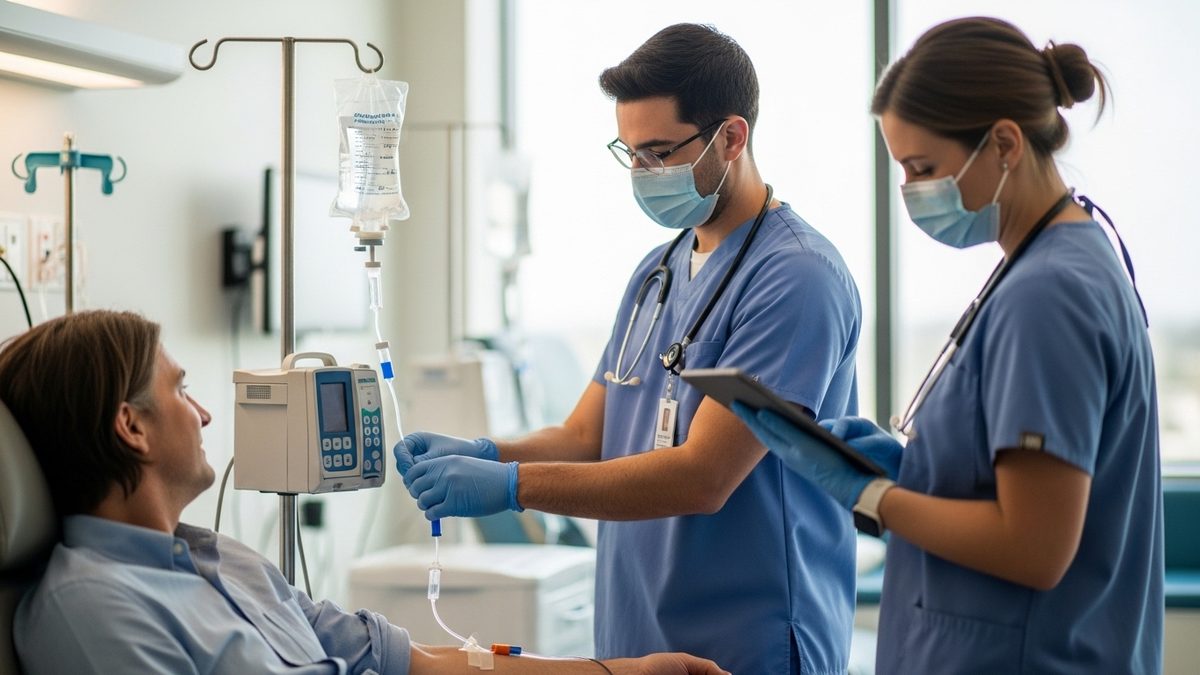
For those undergoing active treatment, exercise is the single most effective way to combat cancer-related fatigue. It preserves muscle mass, improves cardiovascular resilience, and drastically boosts mental well-being. Modern oncology now includes 'Pre-habilitation' and supervised exercise programs during chemotherapy to improve treatment tolerance and overall clinical outcomes.
Meeting the Clinical Benchmarks
Medical experts recommend aiming for at least 150 to 300 minutes of moderate-intensity aerobic activity (like brisk walking or swimming) per week, plus strength training twice weekly. Whether you are focused on prevention or survivorship, moving your body is one of the most effective, evidence-based ways to take active control of your biological health.
⚕ Aviso médico: As informações neste site são apenas para fins educacionais e não substituem o aconselhamento médico profissional.